HAMLET’s mission is to make the benefits of generative AI accessible to organisations of all sizes, in order to promote a sustainable digital transition. The project focuses on theater, dance, and game design.
What is HAMLET?
In HAMLET, we start from a Hamletian question: AI, or not AI? If AI, then how? HAMLET stands for "Human-centred generative Ai fraMework for culturaL industriEs’ digital Transition (HAMLET)". Currently, AI-generated content such as images, videos, and sounds are flooding online spaces. But do practitioners in the creative sector actually want to use generative AI? How can generative AI contribute meaningfully to their creative work instead of replacing creativity? What kind of AI tools do they need? What are the concerns about AI tools? What about ownership, intellectual property, and data privacy? Apart from these, there are challenges around fair and environmentally responsible AI infrastructure, technical and technological divide, ethics, copyright issues, AI governance and dependencies on Big Tech companies. To respond to these challenges, HAMLET unfolds through 4 pilots
Creative challenges and pilots
In game design, players who are drawn to narrative-heavy games may enjoy interactive and personalised narrative development in the game. Can AI facilitate that? In Pilot 1: Human-AI Collaborative Game Development, the independent game studio CAUSA CREATIONS in Vienna takes on this task in collaboration with Chimera and CERTH. They think that an AI Game Master is of great interest to players, and procedural generation can fill each scene of the game with interesting flavour, which creates impressions of a rich, boundless world. To answer these creative challenges, two AI tools, an Adaptive Narrative Enabler and a Procedural Content Generation Enabler, will be developed in this Pilot.
Game asset generation has been of growing interest to game developers as it can reduce cost and time in the workflow of game design. However, the generated assets might not be stylistically coherent or logical in a given context. Can small game studios integrate Generative AI in their workflows with limited budgets, using an AI tool that offers accessible prompt and parameter generation, style control, and consistency? Pilot 2: Budget Restrained Game Development led by independent game studio Chimera from Munich will explore the technological and creative possibilities and boundaries of AI generated assets through the innovative use of Procedural Content Generation and Cultural Content Adaptation Enablers.
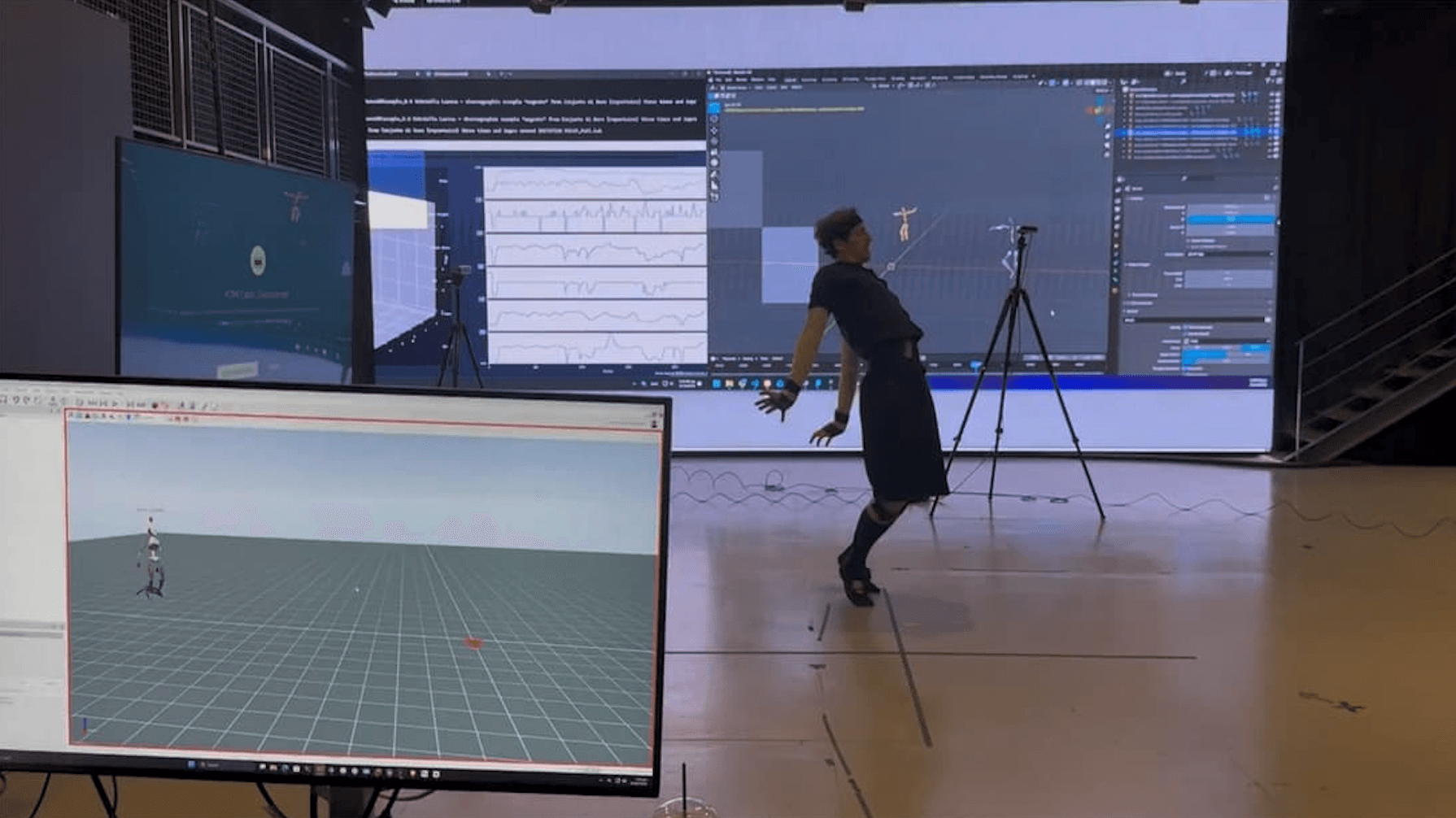
In the realm of dance, motion capture and movement analysis are becoming more common. Can AI help analyse dance movements that bear a specific choreographic signature and generate movements that are artistically interesting? How to bring the generated movements back to the body in artistically relevant ways? How can AI inform, instruct and challenge a dancer and a choreographer? Which roles does sound play in dance if it does not dictate the movement? In Pilot 3: Archetype Alchemy, dance company ICK Dans from Amsterdam, together with IJAD Dance Company from London, is collaborating with technologists from CYENS, AUTH and CERTH to explore these questions through the co-creation of AI tools, namely Dance Style Analysis and Generation Enabler and Music-to-Movement Translation Enabler.
In theatre, can AI and immersive technologies help make hybrid performances that are narrative-driven or abstract, emotionally resonant and experientially embodied? Can these hybrid performances be felt somatically and emotionally? Can audience engagement analytics feed into the performance or offer new modes of interaction in physical and digital spaces? Pilot 4: Echoes Inspire, Words Ignite, Bodies Dance, led by IJAD Dance Company, with their Open Online Theatre, is working with the Audience Agency based in the UK. Together, they delve into the ways of using audience analytics to create performance and experience that will resonate with IJAD Dance’s audience communities, and they explore the possibilities of translating and transforming the live performance into an immersive experience through the Immersive Design Integration Enabler.
The role of Waag in HAMLET
Grounded in frameworks like Value Sensitive Design and Bruno Latour’s notion of 'matters of concern', Waag focuses on the 'existential' moments of creatives and artists when making creative, operational and business decisions regarding AI. We frame technologies not as neutral tools but as socially negotiated infrastructures that should remain open to controversy, reflection, and collective redefinition.
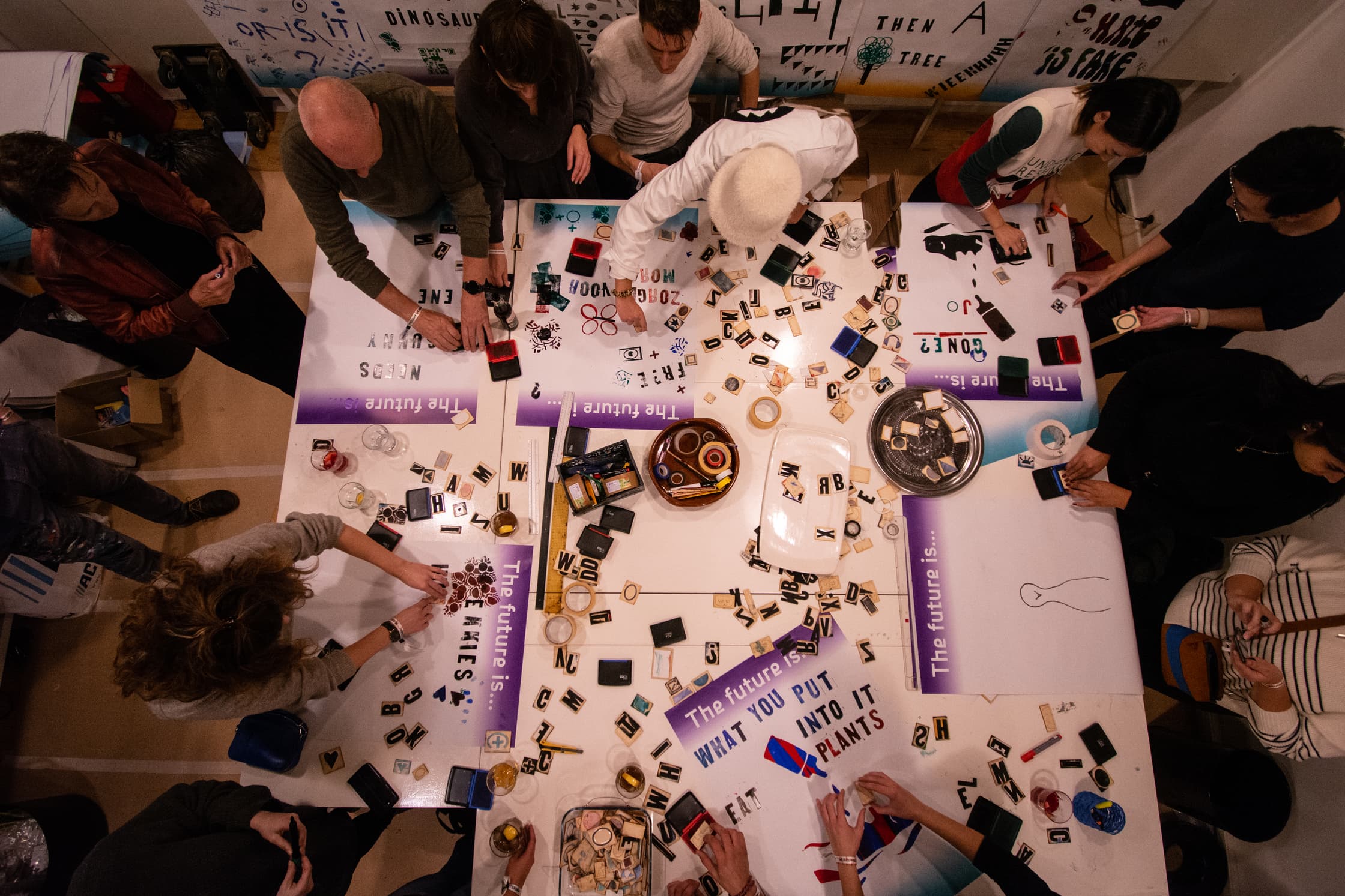
To understand contexts and gather stakeholder requirements for AI tools for CCI (Cultural and Creative Industries), focusing on the concerns and values, Waag has conducted workshops with and interviewed stakeholders on the level of the consortium, CCI AI ecosystem, and EU in four areas: technology, CCI & arts, ethics, and policy frameworks. We provide not only answers and propositions on how to adopt GAI into CCI practices, but how to form decisions for responsible design, development and use of generative AI in CCI, with the aim to foster art-driven innovation within HAMLET. This leads to a collaborative design tool for responsible AI in CCI, which is a living and growing tool throughout the project.
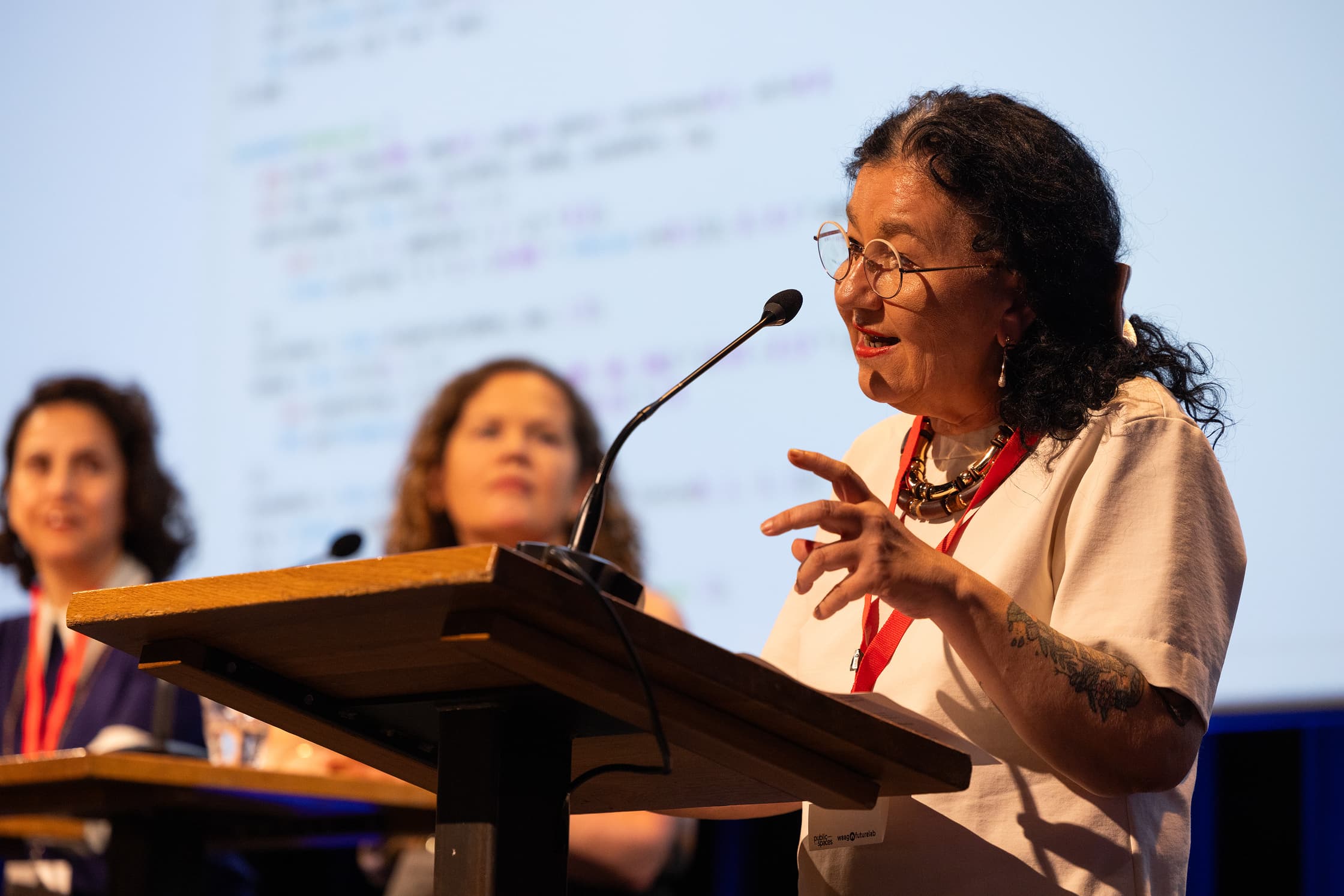
Waag is also setting up the HAMLET Virtual Living Lab together with consortium partners. We identify key stakeholders based on our initial research and engage them in public programmes to discuss challenges, concerns, and recommendations regarding the use of the developed technologies in arts. As part of the Virtual Living Lab, Waag organises 4 artistic interventions (“Trust Me, I'm an AI/rtist”), challenging ethics and tackling concerns that apply to these technologies. The artists/collectives will create artworks or performative interventions, which will be presented to the public and in front of the ethics panel, discussing identified challenges, concerns, and recommendations.
Waag will also create an Impact Framework of AI Ethics in Cultural, Creative, and Art Practice to assess the impact of these AI technologies on cultural, creative and artistic practices from education, creative process and public engagement.
Take the survey
We invite professionals working in the cultural and creative sectors to share their experiences, concerns, and reflections in a short survey. The aim is to gather a range of perspectives on how AI is currently used, understood, and experienced within the sector.
Go to the survey on AI in the CCI sectors
To stay connected, sign up for the newsletter
For additional information, visit the HAMLET project page.
Meta data
Project duration
Links
Team



Financiers

Partners


HAMLET is funded by the European Union [GA 101178362]. Views and opinions expressed are however those of the author(s) only and do not necessarily reflect those of the European Union or European Research Executive Agency (REA). Neither the European Union nor the granting authority can be held responsible for them.