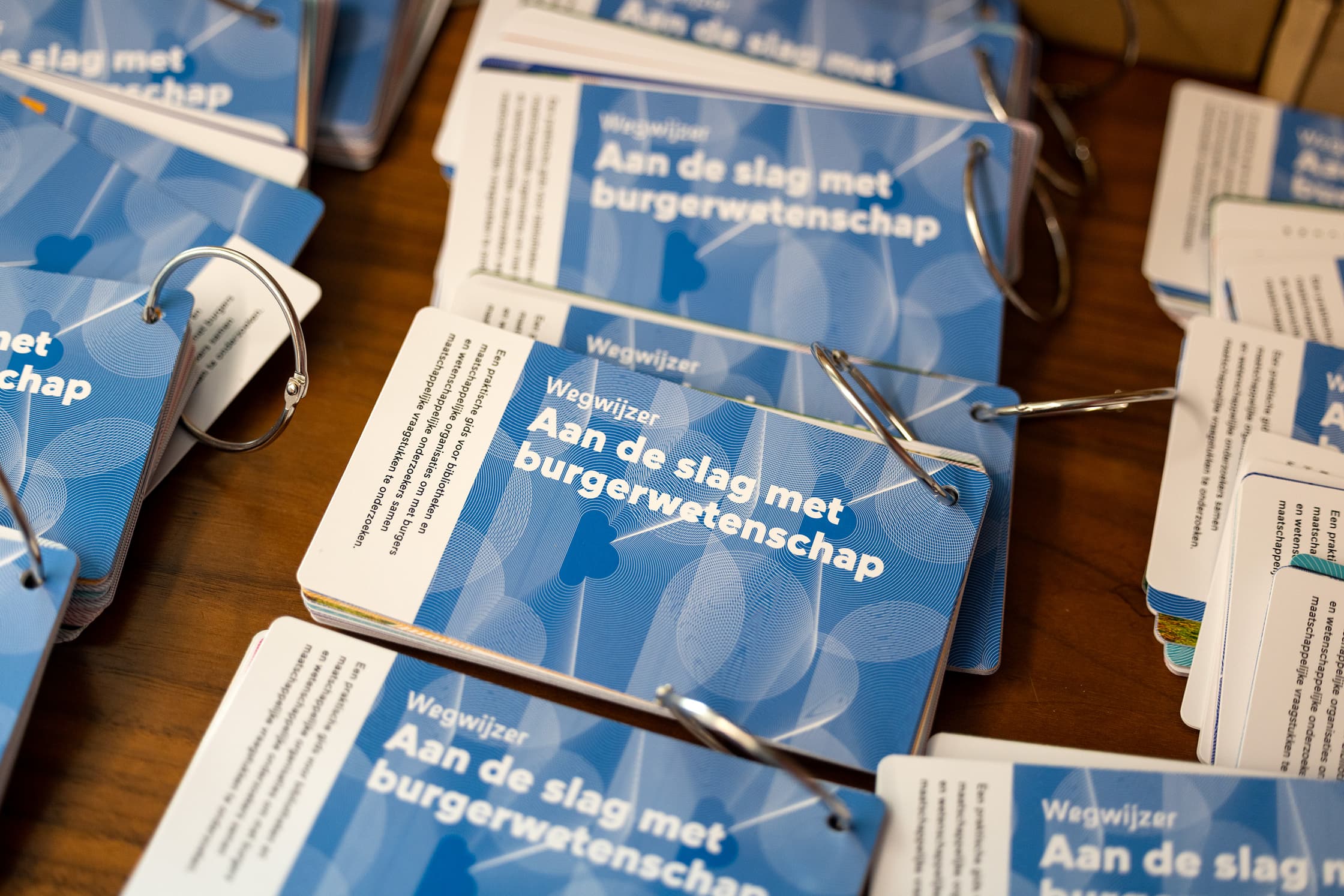
The impact of citizen science is not always immediately apparent. Waag Futurelab investigated the opportunities that citizen science offers to residents, public authorities and research institutions. The publication Actionperspectives through Citizen Science sets out the key findings of the research.
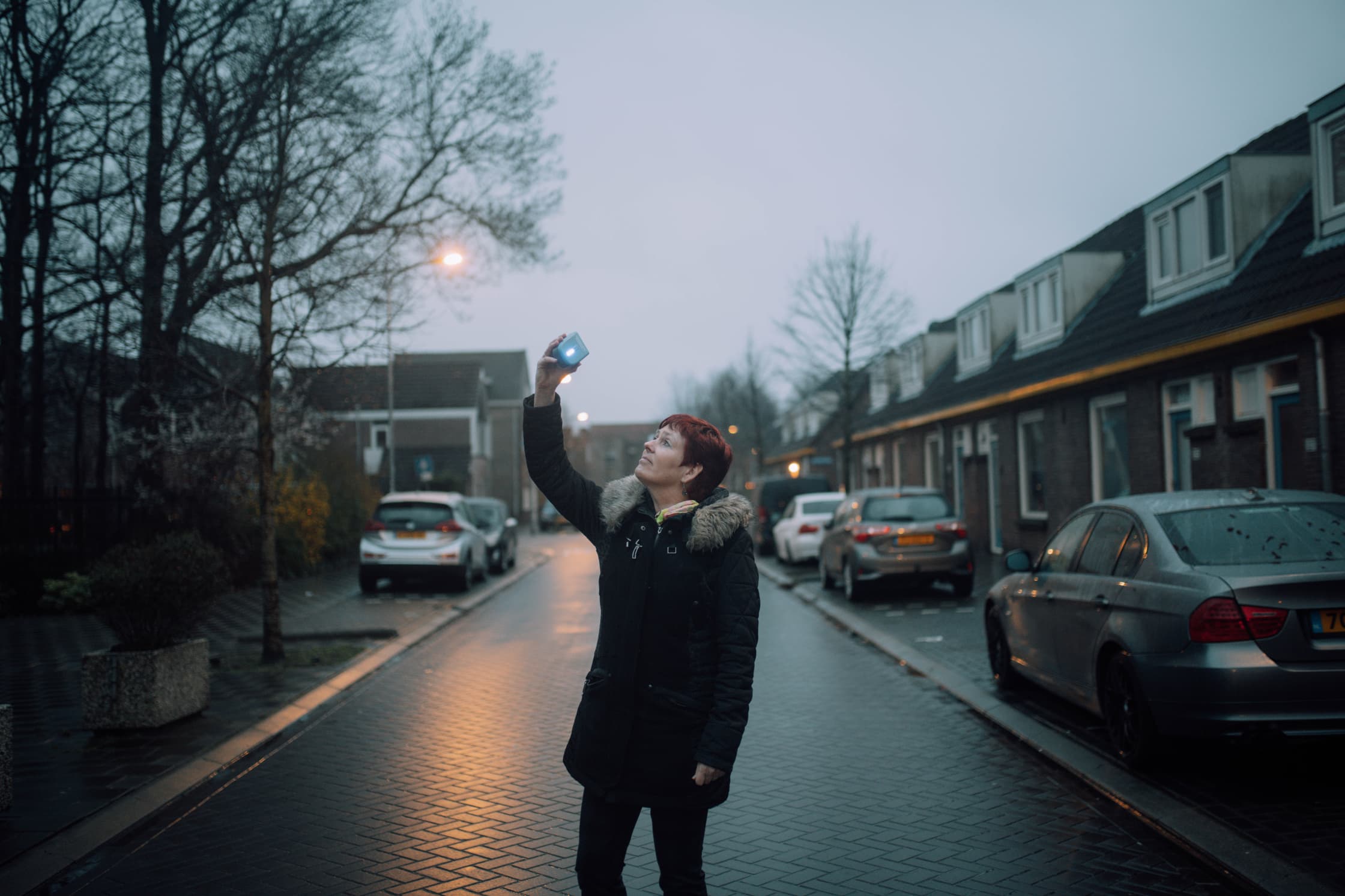
Across the Netherlands, communities are actively measuring air quality, water quality, biodiversity, noise, soil and all manner of other aspects of the living environment. An increasing number of (local) authorities and research institutions are collaborating with residents on this type of research and on social issues.
Citizen science not only generates knowledge, but also triggers other actions. Yet it is not always directly visible what citizen science actually achieves. Waag Futurelab investigated the opportunities for action (possible measures) that citizen science offers to residents, authorities and research institutions. The publication Actionperspectives through Citizen Science shares the key findings of the research. It describes the value of citizen science, the challenges involved, and the steps needed to move from insight to change.
Download the publication (pdf)
The publication is in Dutch.
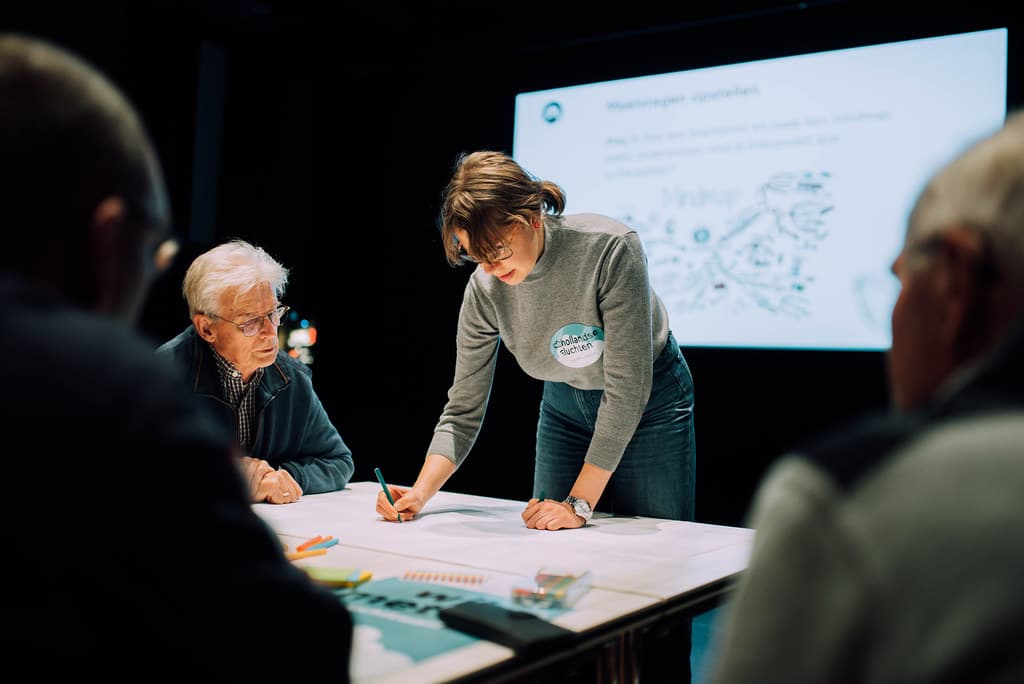
Based on the insights from the research, the collaborative game ‘Aan Zet!’ was developed. ‘Aan Zet!’ helps to illustrate, in a playful way, the actionperspectives that citizen science offers. The game is well suited for communities, (local) authorities and knowledge institutions to engage in dialogue about citizen science projects and to collaboratively draw up a plan.
Would you like to find out more about ‘Aan Zet!’ or would you like to play the game? Please contact us at support [at] hollandse-luchten [dot] org.
Background
The research into actionperspectives stems from the citizen science project ‘Hollandse Luchten’. Insights from the ‘Hollandse Luchten’ measurement groups have been documented and various people have been interviewed. In addition, a number of examples from other citizen science projects have been included. This publication is primarily aimed at citizen monitoring projects in which air quality is measured using citizen science sensors, but it is also broadly applicable to other citizen science projects in which communities, (local) authorities and research institutions collaborate.