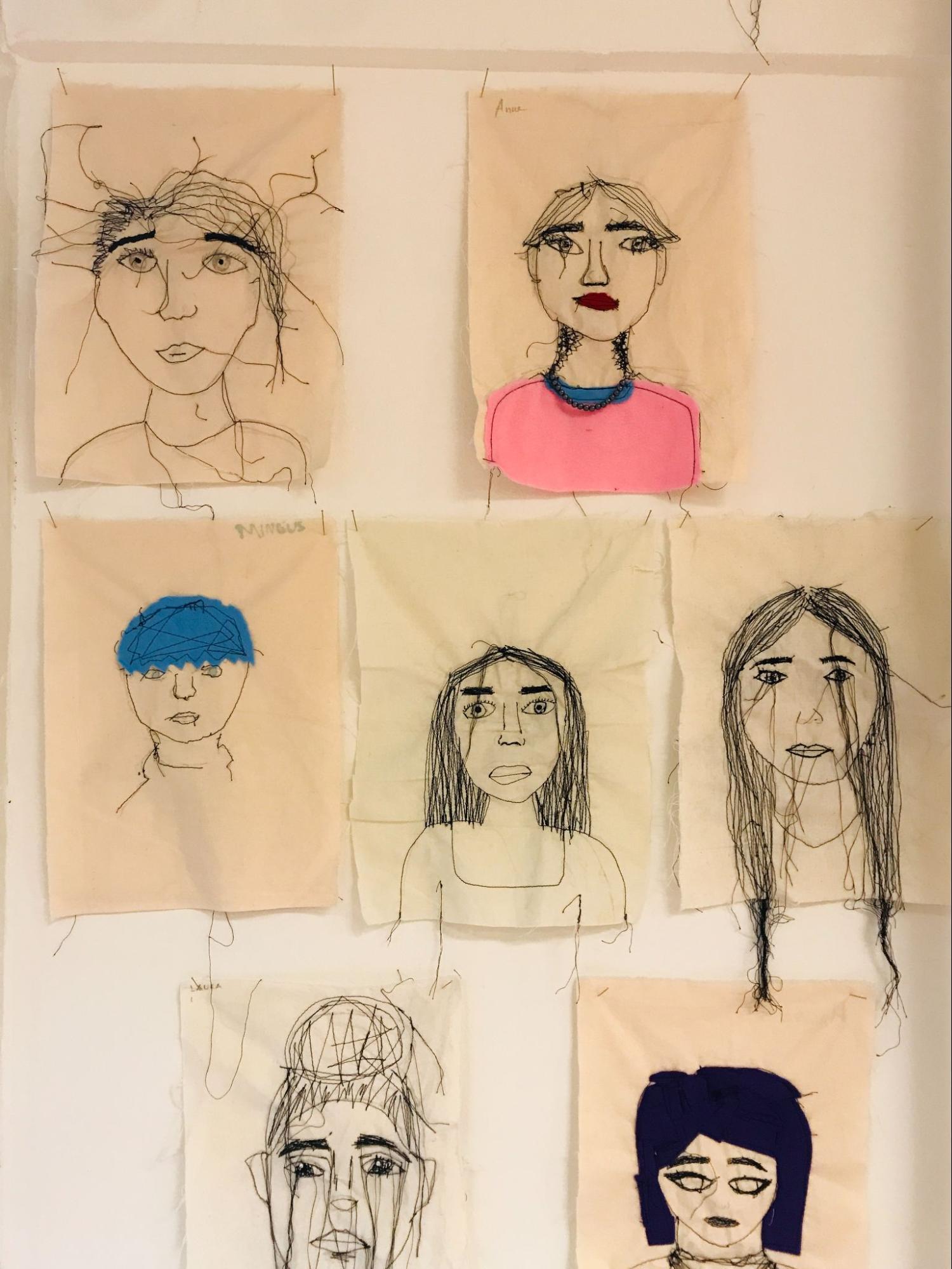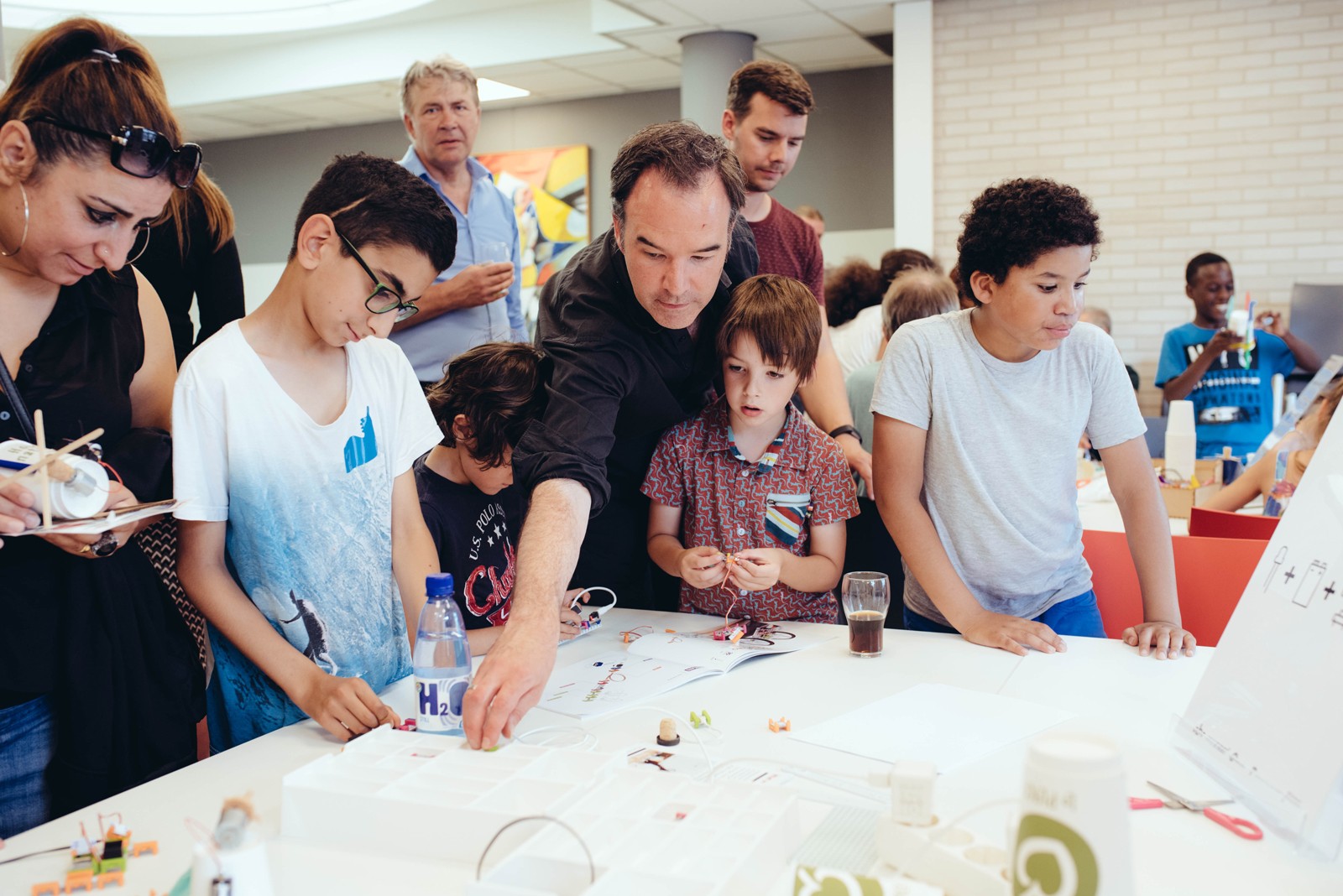
Developments in youth culture and professional arts are not directly being mirrored into art education. This poses the risk of art education being disentangled from relevant societal developments. However, art education can play an important role in developing skills such as creativity, problem solving abilities, and environmental conscience, which are important 21st century skills. On a societal level, Waag was seeing these skills becoming increasingly important in the near future.
By innovating current textile education at Montessori Lyceum Amsterdam, Waag wanted to increase its attraction for a larger group of students. Textile education on this school was aimed to be made more closely connected to further education and the course was aimed to be a part of a larger societal context, focusing more on circularity and sustainability.
Waag's wish was to make space for innovative techniques in the new programme, such as digital fabrication, and to focus on skills such as research, design and creativity. We did this by combining the pedagogic principles of Emiel Heijnen with the line of thought deriving from the Maria Montessori school. Next to this, we looked at the textiles course as part of the larger context of Amsterdam's learning ecosystem.
Meta data
Project duration
Team



Financiers

Partners
- Montessori Lyceum Amsterdam