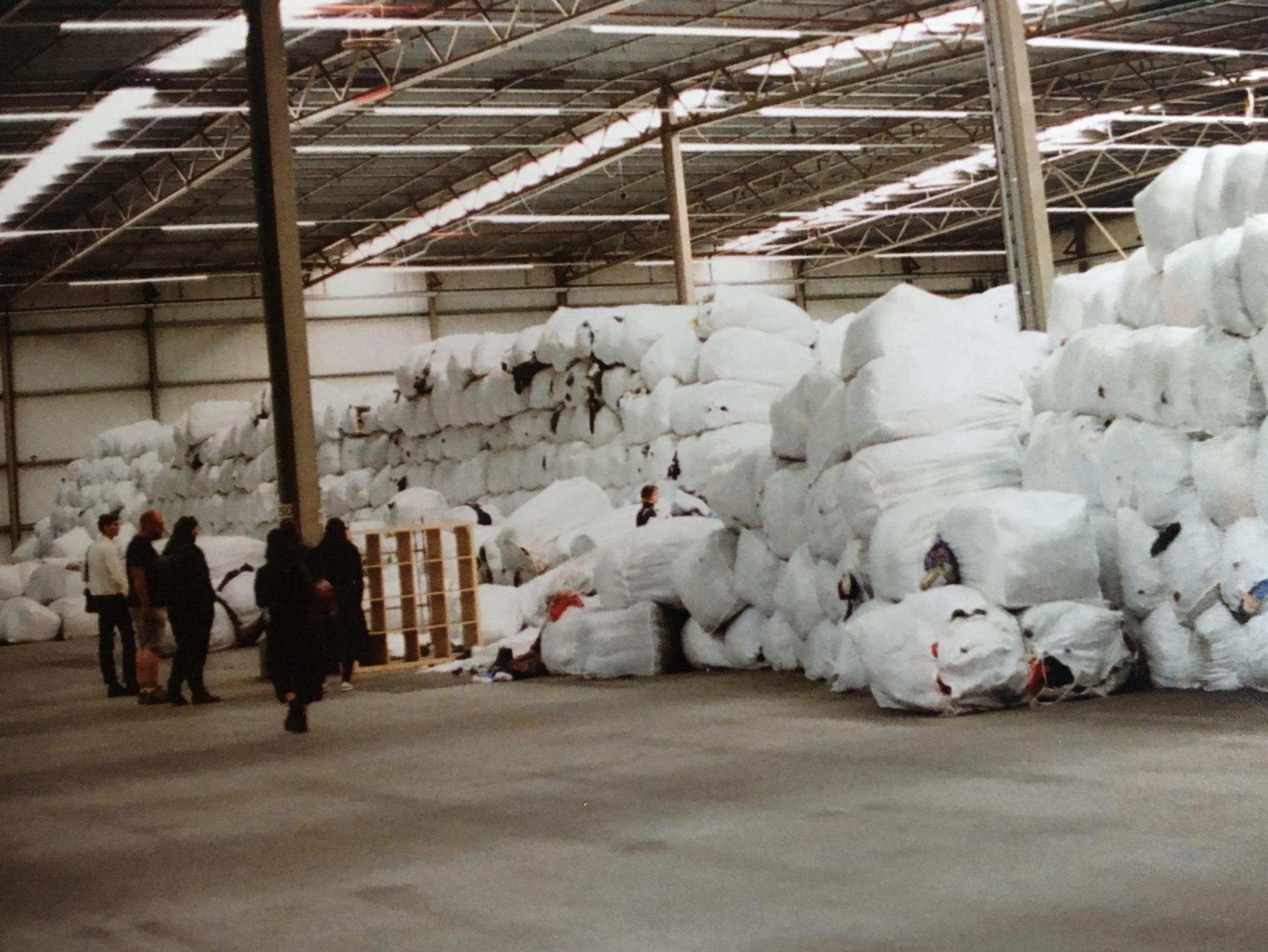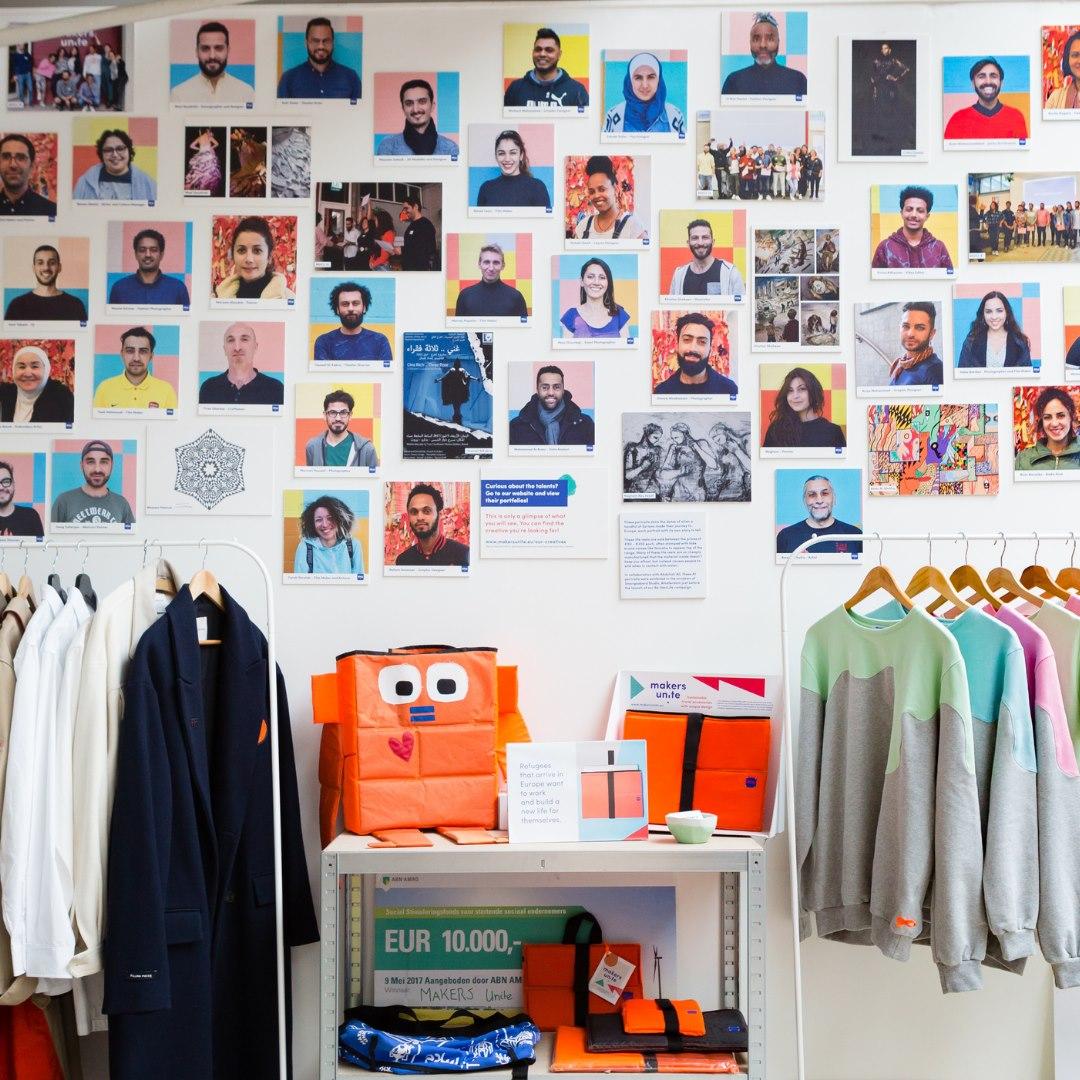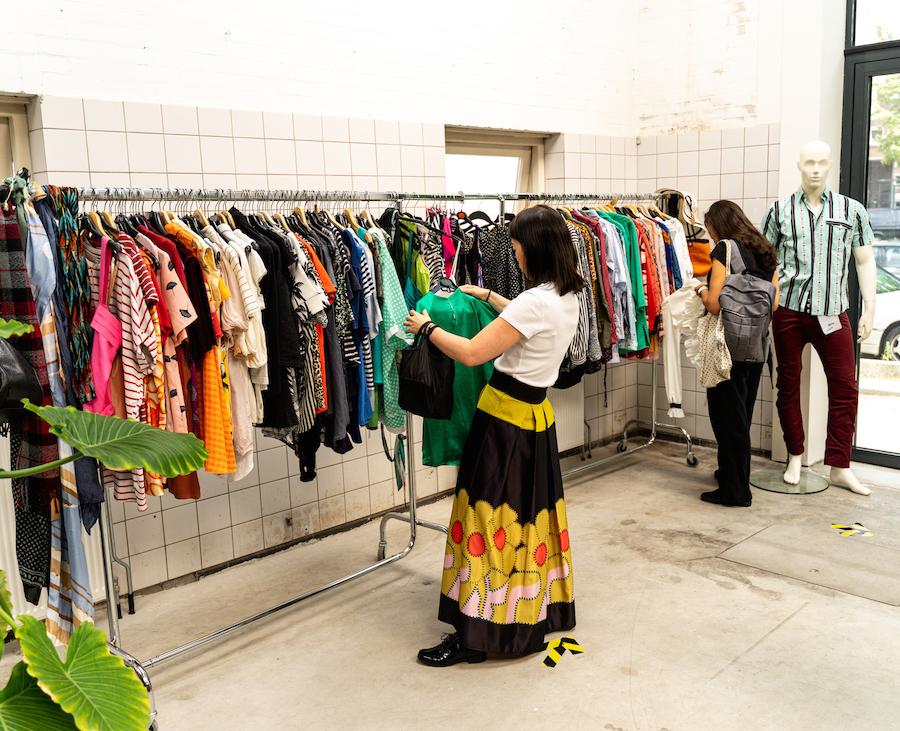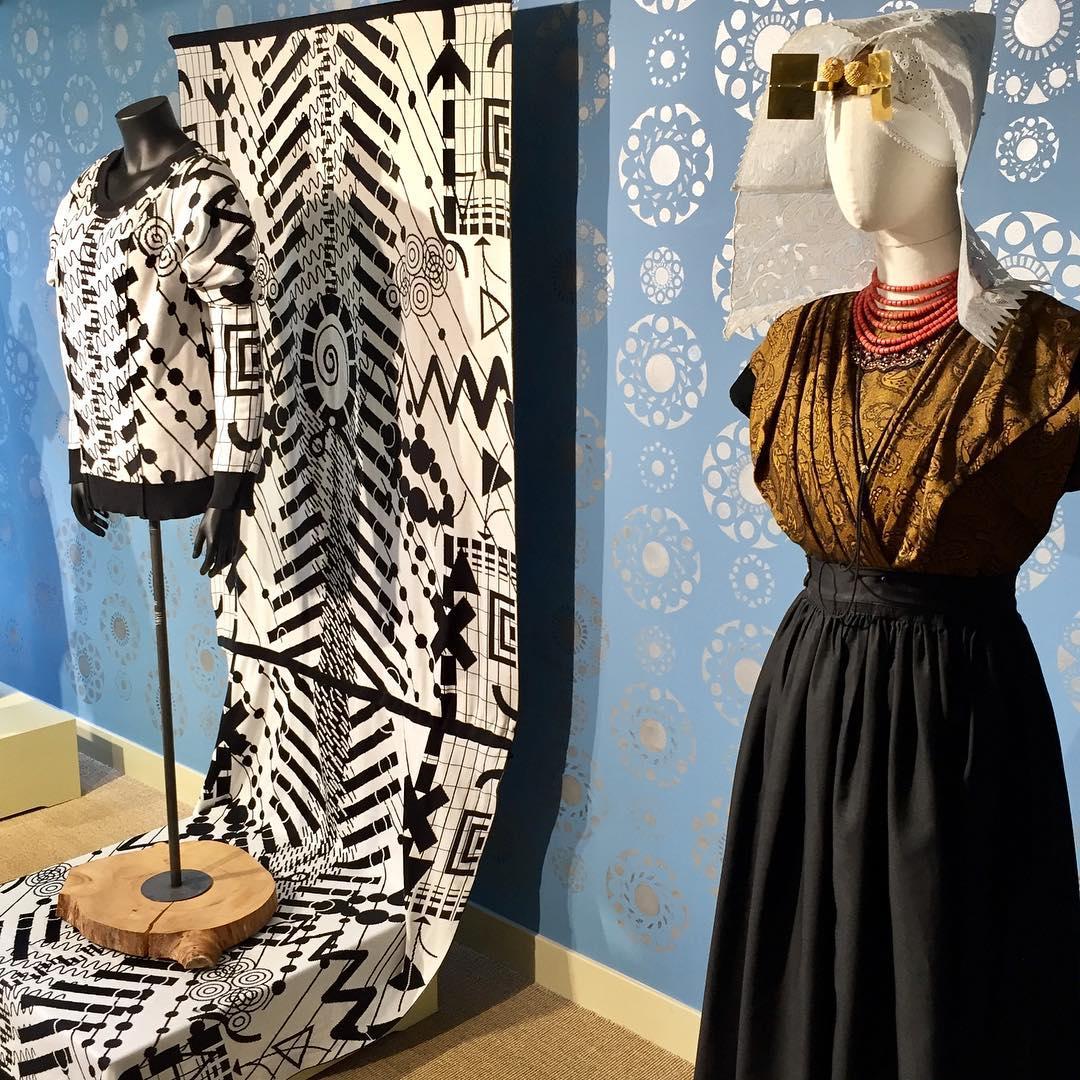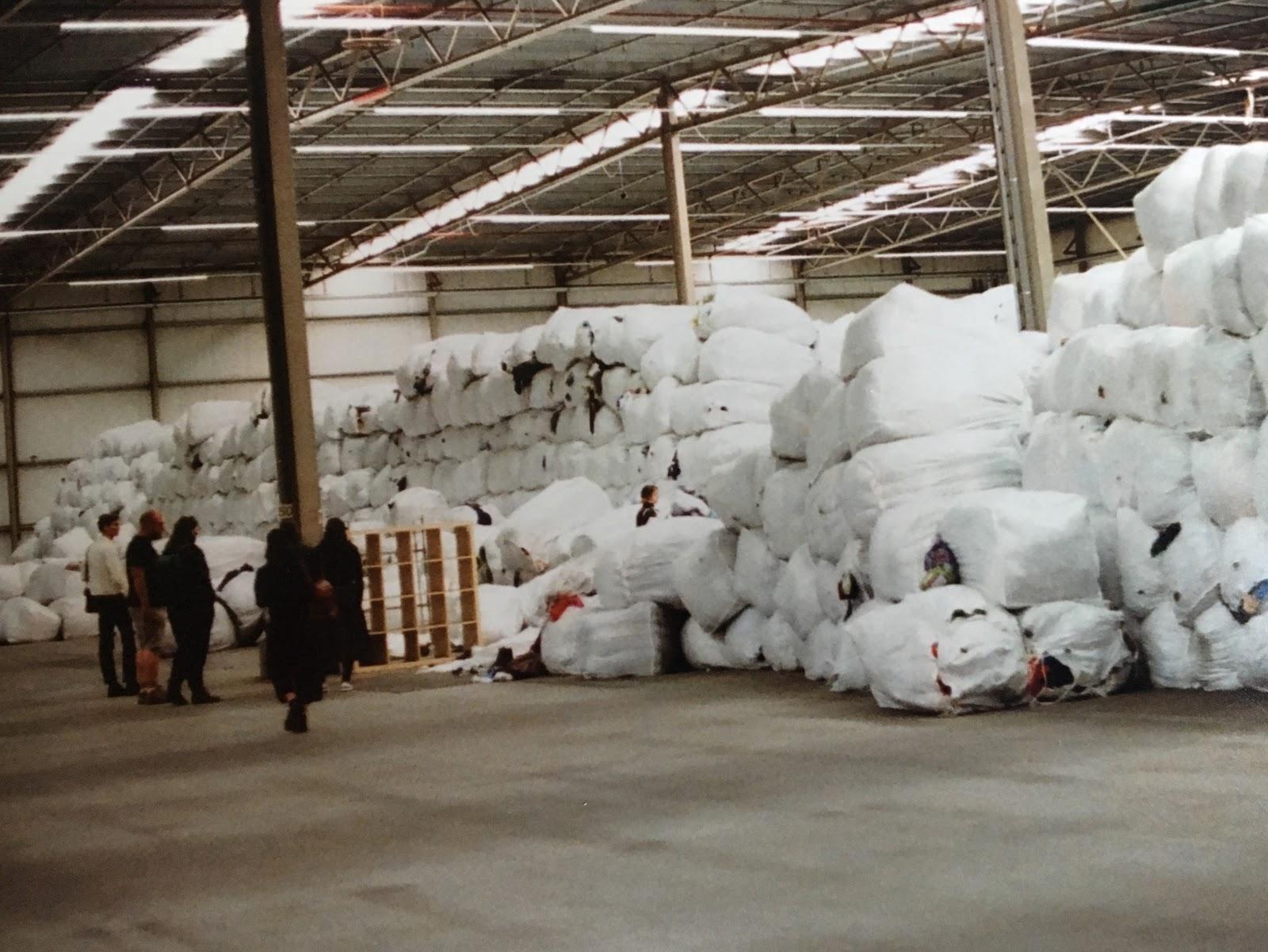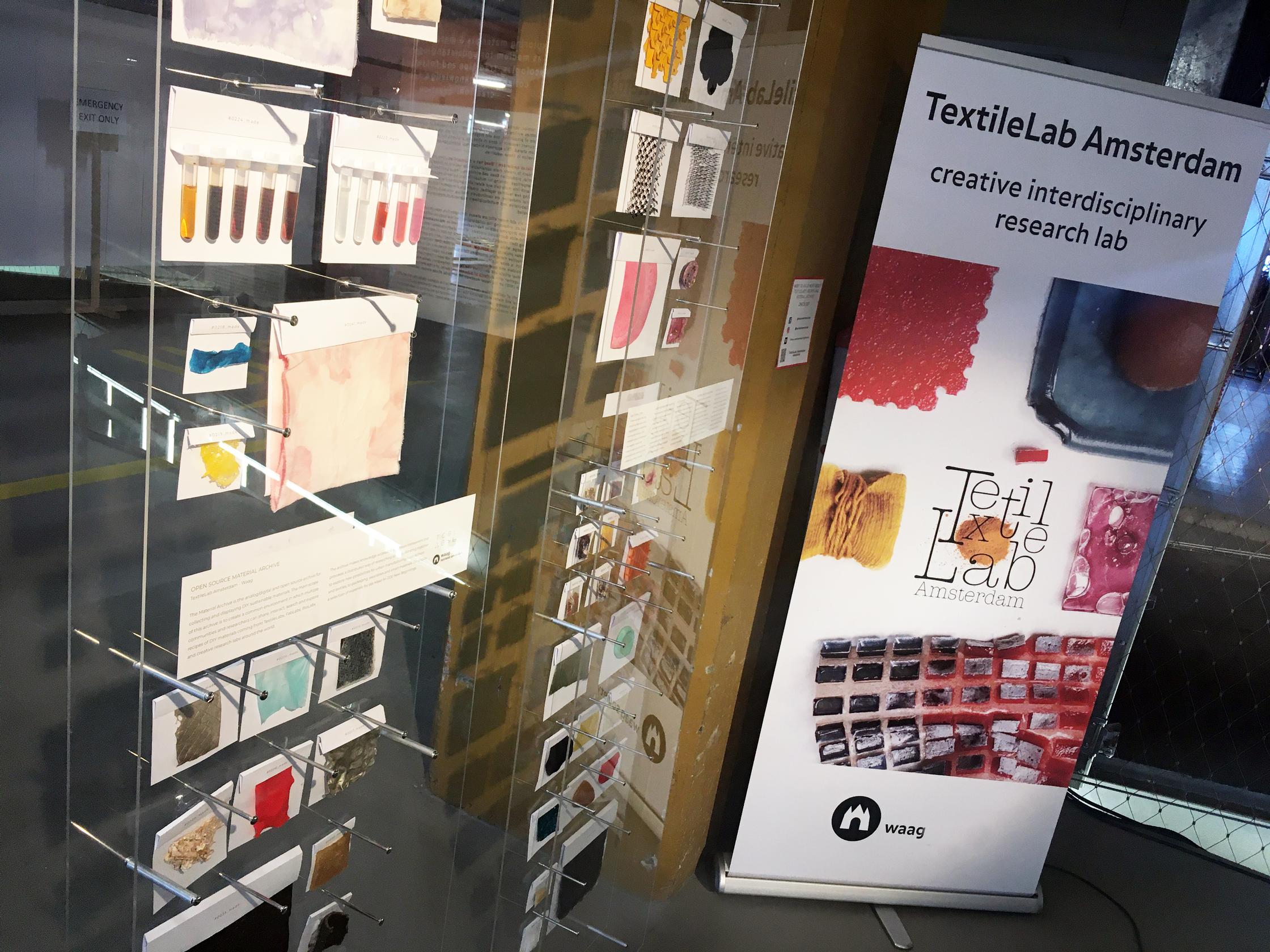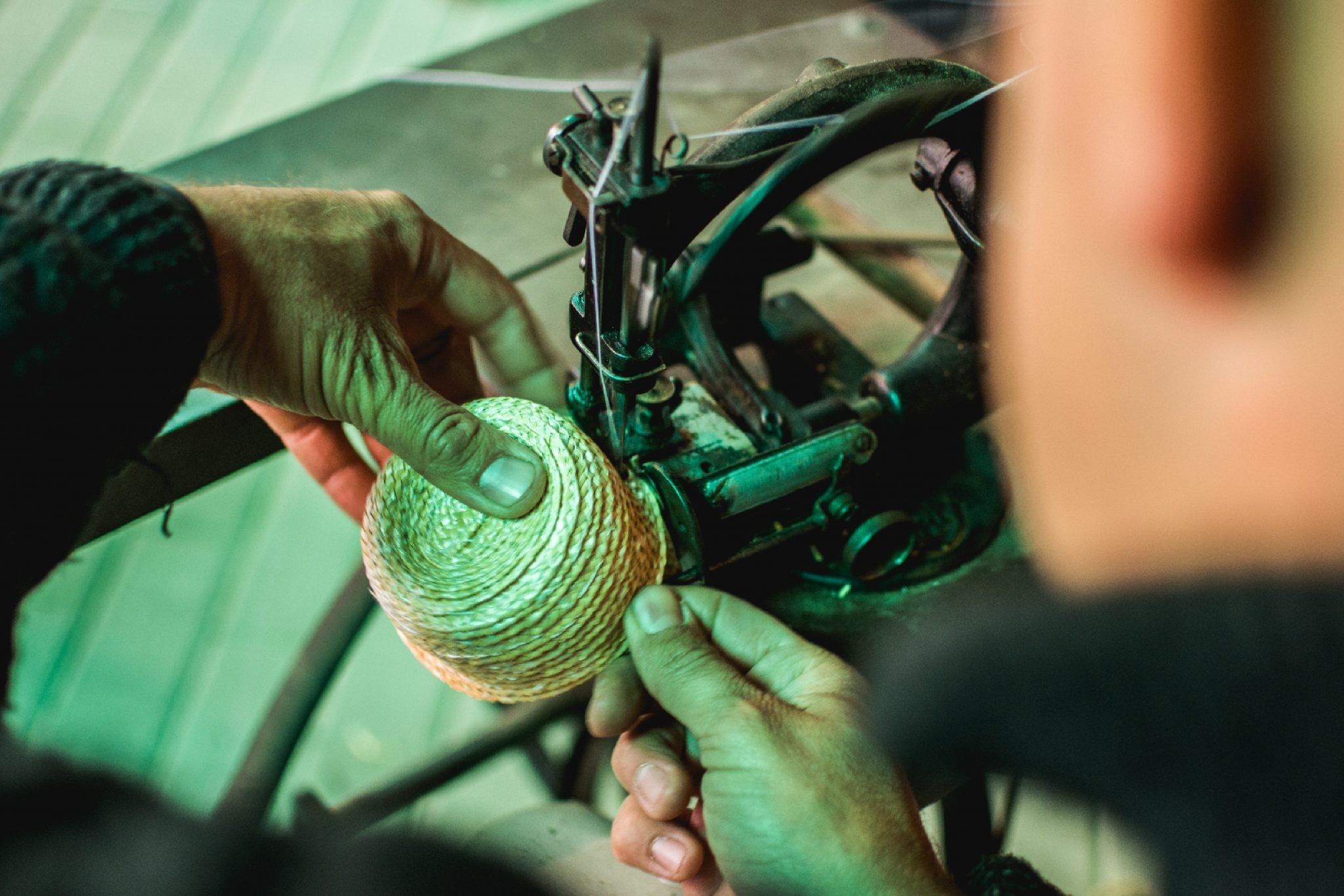
Each year, we buy clothes, wear them and throw them away. This lineair chain of production and use, with a clear beginning and end, puts a pressure on the environment. Can we change it for the better, and move towards a circular economy? Reflow was a research project (2019 - 2022) funded by the European Commission in which 27 partners in six cities were researching how former 'waste' streams could be reused as possible new material sources. The goal was to move towards a more sustainable circular economy.
Six cities, six residual flows
Reflow ran in six cities across Europe: Amsterdam, Paris, Berlin, Milan, Vejle and Cluj-Napoca. Each city focused on a different resource stream: textiles, wood and packaging, housing, food, plastics and electricity. The Amsterdam Reflow pilot researched circular textile streams.
Through the city pilots, data on resource streams were mapped and visualised, governance models and processes were developed, technology that supports sustainable and scalable implementation of such processes was developed. Across the majority of these tasks, citizen engagement was part of the research approach.
The role of Waag in this project
Waag was the pilot coordinator for all six city pilots, and lead of the Amsterdam textile pilot. The Amsterdam pilot partners were: Pakhuis de Zwijger, Metabolic, Municipality of Amsterdam, BMA~Techne and Waag.
What can you do yourself?
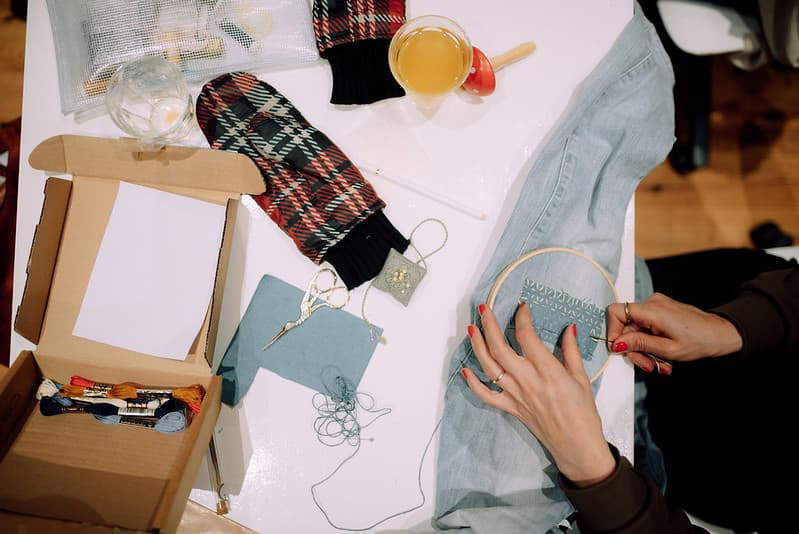
- Upcylce your own clothes! Find out how in our Reflow instructables.
- Watch the Reflow Talks in Pakhuis de Zwijger (NL/EN). In six episodes you'll catch up on (1) the road towards sustainable textiles, (2) the technique of spinning yarn from old clothes , (3) a new policy for circular textiles, (4) fashion education in Amsterdam, (5) Green Deal circular textiles, and, last but not least, (6) a new life for old clothes.
- Listen to the Reflow Podcasts (in Dutch):
with James Veenhoff about the Denim Deal
with Cristiana Parisi about cities and circular design
Meta data
Project duration
Links
Team



This project has received funding from the European Union’s Horizon 2020 research and innovation programme under grant agreement No. 820937.