Undocumented citizens without a citizen service number (BSN) have no access in the Netherlands to government services such as, for example, legal aid, help with mental health complaints or municipal services due to the Koppelingswet (Linking Act) (1998). Undocumented people cannot register their identity and residence anywhere and are therefore ‘invisible’ in society.
Without the necessary identity documents, it is simply impossible for them to work, rent a house, register with the municipality or open a bank account. Despite these restrictions, many people are forced into unregulated work to survive, often at the risk of exploitation. The WODC estimated in 2020 that there are between 23,000 and 58,000 undocumented migrants in the Netherlands.
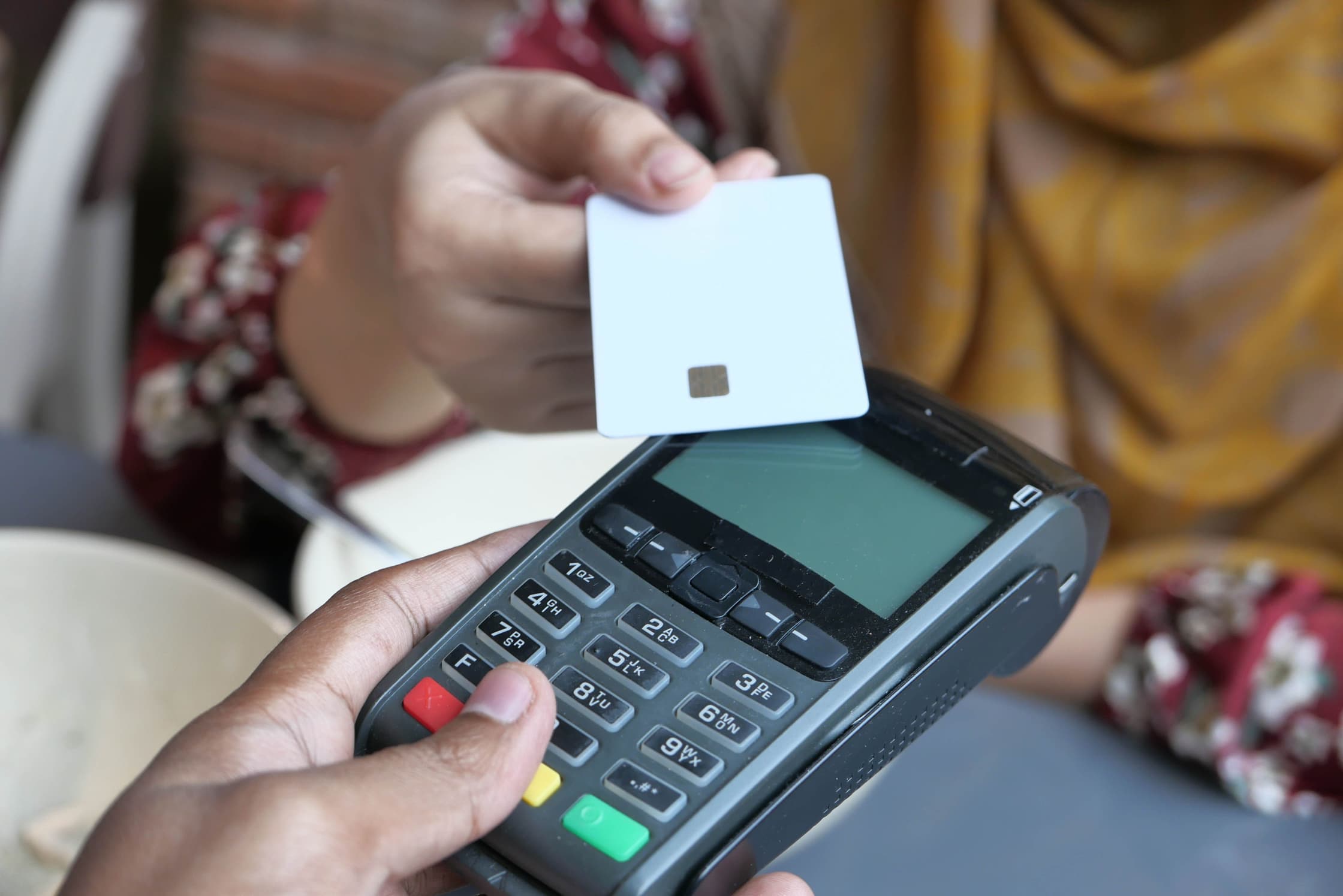
Many are at physical risk because they have no access to banks: being paid in cash means they carry large sums of money with them when they go out. In addition, more and more services in the Netherlands are moving to a cashless infrastructure. Supermarkets, cafés and public transport are switching to digital payments, excluding people who can only pay in cash.
The Trust-based Banking project was a research and development initiative of Waag futurelab and Here to Support (HtS), in which we developed a prototype ‘e-wallet’ in collaboration with various stakeholders and experimented, through a pilot, with how and under what conditions undocumented residents of the Netherlands could gain access to banking services.
Using the results of the pilot, we aimed to build support among banks for enabling alternative forms of identifivation based on community vouching: a process in which members of a community or network can vouch for one another.
Along the way, the project's focus shifted from direct access to banking towards the underlying issue of registration, as this proved to be the first necessary step towards financial inclusion. We developed an identification matrix based on international examples such as IDNYC in New York, and worked this out into a prototype: Rea's path to trust-based financial access. This led to the Here to register demonstrator, an end-to-end prototype in which undocumented individuals retain control over who has access to their data, through community vouching and verifiable credentials. This research aligns with our mission to work with society towards an open, fair and inclusive future. A detailed description of our findings, approach and next steps can be found in the progress report and the final report.
If you are interested in this topic and would like to know more, please contact Pourya at pourya ⟨ at ⟩ waag.org.
Meta data
Project duration
Links
Team


Financiers

Partners